

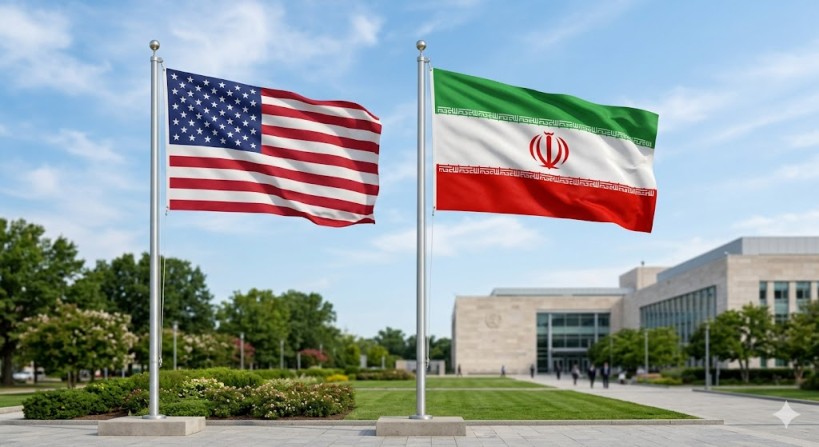
This week, efforts to advance negotiations between the United States and Iran have seen limited success, despite a concerted push to prolong a ceasefire and ease tensions in the Middle East. President Donald Trump indicated that talks with Iran are nearing their conclusion, yet Iranian Foreign Minister Abbas Araghchi noted the absence of significant progress, with dialogue continuing indirectly through mediators.
A significant sticking point in the discussions is Iran’s insistence on establishing a ceasefire in Lebanon as a precondition for any comprehensive agreement with the U.S. The proposed deal seeks to extend the current peace and enable the reopening of the Strait of Hormuz, a critical maritime passage.
Meanwhile, the situation remains volatile in Lebanon, where hostilities between Israeli forces and Hezbollah, an Iran-supported organization, have persisted. Hezbollah has dismissed a ceasefire proposal backed by the United States, resulting in ongoing exchanges of fire in southern Lebanon.
The instability has also impacted global energy markets, with investors keeping a close watch on developments related to the Strait of Hormuz. This waterway is a crucial channel for international oil trade, and any disruption to shipping there could have wide-reaching effects on global energy supplies and pricing.
Amid these challenges, diplomatic efforts continue as regional and global stakeholders strive to avert further conflict and achieve a broader accord that could help stabilize the region.