

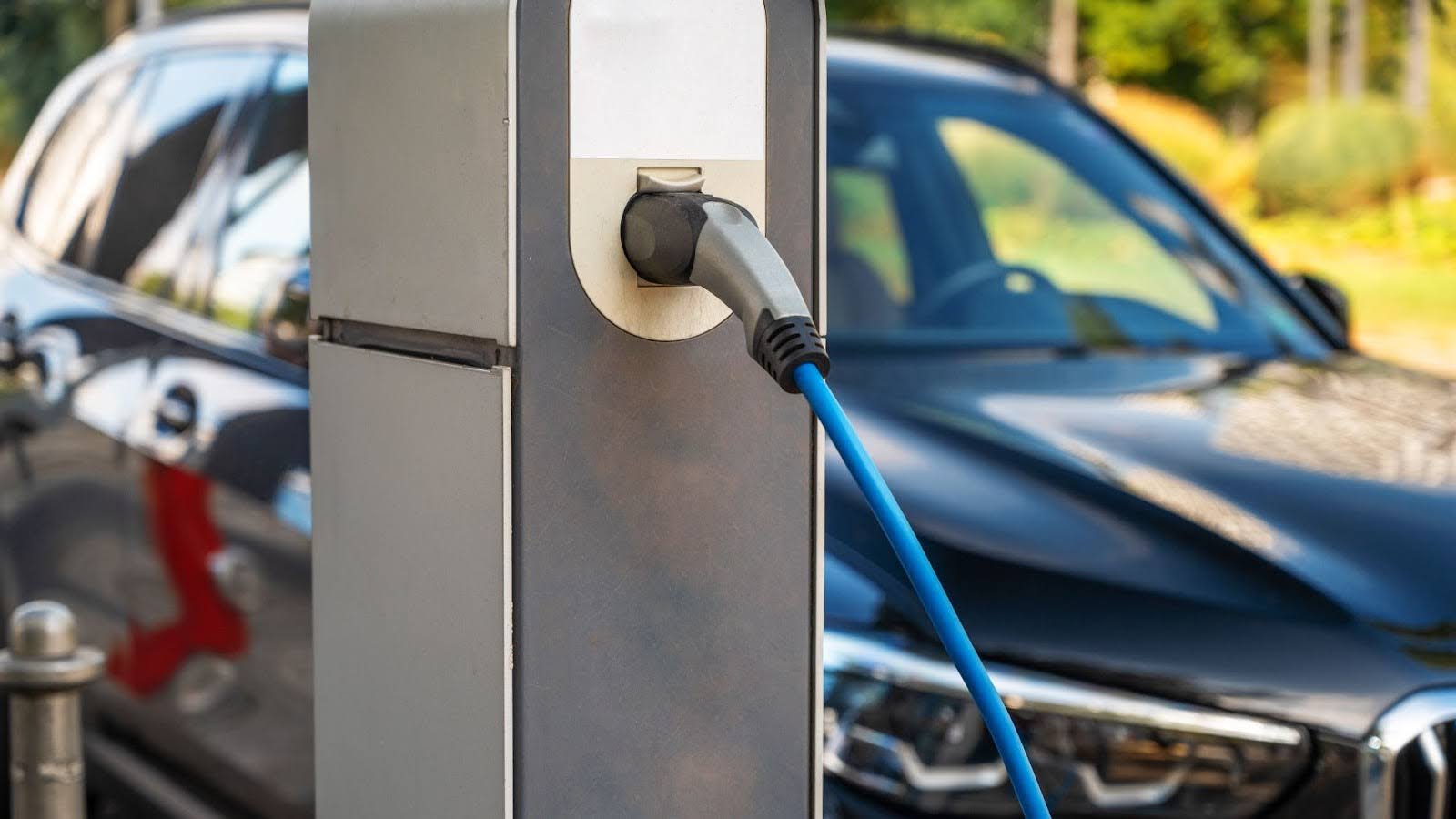
The 20 percent surge in US interest in electric vehicles over three weeks of the Iran conflict is sending an unmistakable message to Washington: American consumers are ready for electric vehicles in ways that policy has failed to support. At $3.90 per gallon — the highest national gas average in nearly three years — the financial case for EVs is writing itself more persuasively than any policy document could, and the consumer response is demonstrating a readiness for electrification that the current policy environment has been working against rather than with.
The consumer readiness is demonstrated by the behavioral data. Iran’s closure of the Strait of Hormuz following US and Israeli military strikes disrupted the waterway carrying roughly one-fifth of global oil supply, elevated crude prices, and pushed American retail fuel costs to near three-year highs. CarEdge documented a 20 percent EV search increase beginning within 48 hours. Edmunds confirmed parallel behavioral shifts. The message from consumers to Washington is clear: we are motivated, we are researching, we are ready to buy.
What consumers are not receiving from Washington is the policy support that would allow the market to respond effectively to that readiness. Rolled-back EV purchase incentives that would have closed the price gap between EVs and conventional vehicles. Challenged emission standards that would have motivated manufacturer EV investment. Relaxed fuel efficiency rules that have encouraged the continued dominance of gas-powered trucks and SUVs. The policy message from Washington to the market has been running counter to the consumer message from the market to Washington.
CarEdge’s Justin Fischer and Edmunds’ Jessica Caldwell both noted the contradiction. Fischer said the demand signal is genuinely powerful — more powerful than what previous policy incentives managed to generate — but that converting it into lasting market change requires policy alignment rather than headwinds. Caldwell identified the four-year policy problem as the structural barrier that prevents the current consumer readiness from translating into the manufacturer investment and infrastructure development the market needs.
The unmistakable message from 20 percent more Americans searching for EVs is one that Washington is receiving but not yet acting on in a supportive direction. Whether that changes — whether the consumer signal from the Iran conflict’s gas price consequences reaches policymakers with enough force to change the direction of EV policy — will determine whether the consumer readiness the current moment has revealed translates into the market transformation it could produce.