

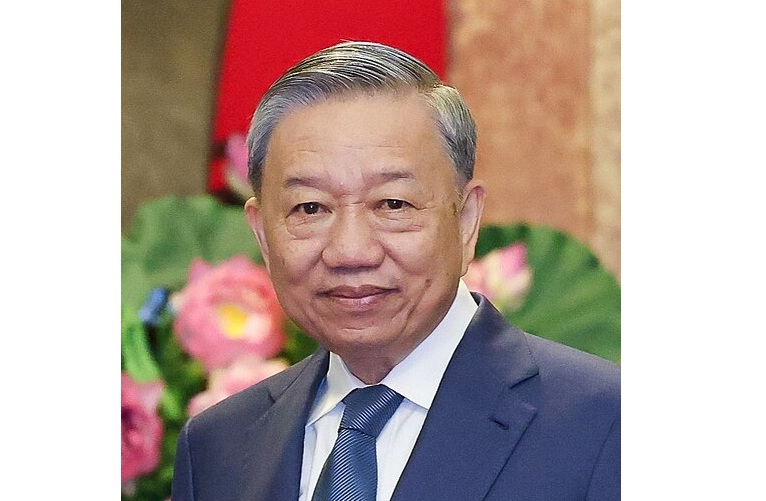
Vietnam’s Minister Tô Lâm has set a clear directive for substantial advancements in institutional reform, administrative streamlining, and legal updates by 2026, focusing on delivering real outcomes rather than mere symbolic gestures. During the inaugural session of the Central Steering Committee for Institutional Perfection and Law Enforcement held in Hanoi, Lâm highlighted the importance of concrete legal documents, simplified procedures, resolved legal challenges, and transparent leadership accountability as benchmarks for progress.
Senior leaders such as Lê Minh Hưng and Trần Thanh Mẫn were present at this pivotal meeting. Tô Lâm urged ministries and agencies to promptly execute the committee’s resolutions, implement effective monitoring systems, and provide regular updates on the completion of tasks, any setbacks, and issues that might need intervention from higher authorities. The committee’s discussions prioritized areas like fortifying the state economy, enhancing foreign investment conditions, reducing bureaucratic hurdles, tackling urban air pollution, and revising the criminal procedure framework.
To boost foreign investments, the committee underscored the necessity of adopting competitive policies that promote technology transfer, research and development, workforce training, green transformation, and digital innovation. It also stressed the importance of stringent oversight of strategic investors and improved regional cooperation to attract foreign capital efficiently.
Addressing urban air pollution, officials proposed a shift to outcome-based air quality management. This approach would be bolstered by advanced environmental monitoring systems, stronger early-warning mechanisms, and clearer accountability for pollution sources. Additionally, the committee emphasized that administrative reform should be a continuous obligation, rather than a temporary effort, advocating for a governance model that relies more on post-inspection oversight and risk-based management instead of excessive pre-approval demands.
In the realm of judicial reforms, the committee is reviewing potential amendments to the Criminal Procedure Code. The goal is to maintain a balance between effective crime prevention and ensuring fairness, asset recovery, and support for socio-economic development. This comprehensive approach is aimed at fostering a legal environment conducive to both justice and economic growth.