

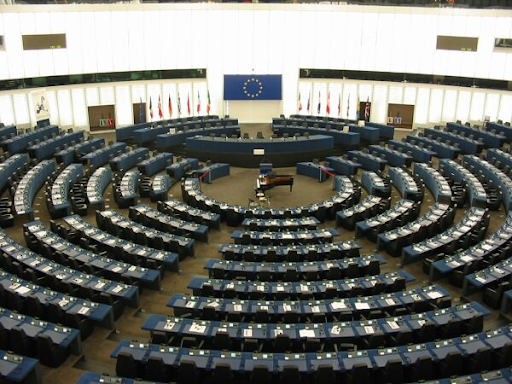
European lawmakers have formally halted the US trade agreement ratification process, challenging President Trump’s attempt to link tariff policy with his territorial ambitions for Greenland. The suspension represents Brussels’ most concrete material action against what European leaders have described as economic blackmail.
According to Bernd Lange, chairman of the European Parliament’s trade committee, the path to compromise remains closed while Greenland-related threats continue. The frozen agreement would have granted American industrial exporters zero-tariff access to European markets across multiple product categories.
The European Union has preserved its commitment to purchasing $750 billion worth of American energy, with officials confirming this arrangement operates independently from the suspended trade agreement. This strategic separation allows Brussels to maintain energy security cooperation while defending against political coercion.
Diplomatic relations showed visible strain when European Commission President Ursula von der Leyen altered her schedule after addressing parliament. She skipped a planned Davos visit where Trump was attending, choosing instead to return immediately to Brussels for emergency summit preparations scheduled for Thursday evening.
The crisis summit will address powerful response mechanisms available to European leaders. These include implementing €93 billion worth of counter-tariffs on US exports and potentially activating an unprecedented anti-coercion instrument. Originally conceived to limit Chinese economic pressure on individual member states, this nuclear option could restrict American companies from accessing European markets. Potential targets span technology corporations, cryptocurrency businesses, aircraft manufacturers, and agricultural exporters, though officials recognize such actions might impose costs on European consumers through higher prices or reduced access to American services.