

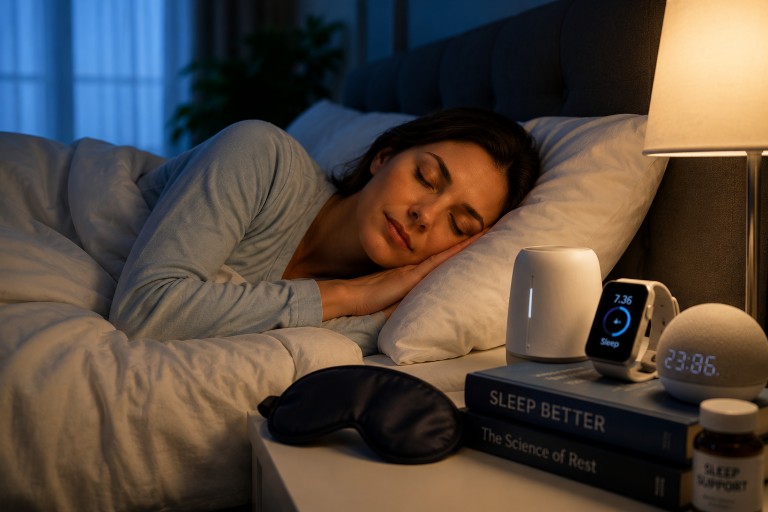
As the pursuit of a restful night’s sleep gains momentum, a thriving market has emerged with a range of products designed to enhance sleep quality. Consumers are investing in smartwatches, sleep-tracking apps, specialized mattresses, weighted blankets, white-noise machines, and cooling technologies, all in the quest for better rest. However, experts caution that these products, while potentially beneficial, cannot substitute the core principles of healthy sleep. Factors such as stress, excessive screen time, irregular routines, noise, uncomfortable temperatures, and untreated sleep disorders continue to disrupt rest, despite technological advancements.
While a comfortable mattress, supportive bedding, or wearable technology can enhance the sleep environment and offer insights into sleep patterns, they have inherent limitations. Issues like persistent stress, anxiety, noise, irregular work hours, and underlying sleep disorders require more than just new gadgets to resolve. Over-reliance on sleep technology can sometimes exacerbate issues, with orthosomnia—a fixation on achieving “perfect” sleep by obsessively monitoring sleep data—being a notable concern. Ironically, this focus on sleep metrics can hinder relaxation at bedtime.
The sleep economy is expanding as awareness of the importance of quality rest grows. Beyond traditional mattresses and pillows, the market now includes wearable trackers, sleep apps, smart beds, wellness programs, and varied technology-driven solutions. Additionally, wellness-oriented hotels and sleep retreats are gaining popularity, underscoring an evolving view of sleep as a critical component of overall health rather than mere downtime.
Despite the array of sleep products available, experts emphasize that healthy sleep fundamentally relies on consistent habits. Maintaining a regular sleep schedule, engaging in physical activity, managing stress, and limiting screen exposure before bed are essential for fostering restful sleep. Creating a conducive bedroom environment—quiet, dark, and comfortably cool—also plays a crucial role. Importantly, chronic or severe sleep issues should not be solely addressed with consumer products. Persistent sleep difficulties, loud snoring, breathing interruptions during sleep, or significant daytime fatigue warrant seeking professional medical advice.
An online trend known as “sleepmaxxing” encourages optimizing sleep through routines, products, diet, and technology. While some practices within this trend may be advantageous, experts advise against turning sleep into a performance metric. Ultimately, the simplest strategies—consistent sleep habits and a conducive environment—remain the most effective in achieving healthy, restorative sleep.