

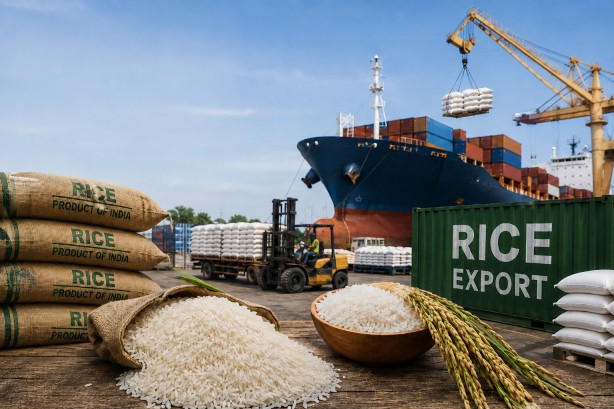
Vietnam’s rice export landscape is poised for a positive shift in the closing months of 2026, driven by a recovery in global prices and increased demand from key international markets. By mid-August, Vietnam had exported an estimated 5.7 million tonnes of rice, with full-year projections suggesting exports could reach around 7.7 million tonnes. While export earnings are anticipated to be approximately US$3.9 billion, marking a 4% decline from the previous year due to lower average prices earlier in the year, a recent uptick in prices may bolster revenues. Notably, rice prices saw a 5.8% year-on-year increase in July, and if this trend persists, it could significantly enhance Vietnam’s export revenue as the year progresses.
The global rice market is also experiencing shifts that could favor Vietnamese exports. A potential deficit in rice supply and demand for the 2026-27 crop year is anticipated, alongside expectations for global trade to reach unprecedented levels. Concerns around a strong El Niño weather pattern might prompt countries to boost their food reserves. The Philippines, Vietnam’s largest rice export market, is looking to continue imports to reinforce its reserves, with plans to import approximately 5.6 million tonnes during this period. Similarly, China’s increased importation of broken rice for animal feed presents new opportunities for Vietnamese exporters.
Beyond these markets, other regions are showing promise for Vietnamese rice. Nigeria is confronting a significant supply gap, and Kenya has temporarily lifted import duties on white rice under a quota system. High-quality and low-emission certified rice from Vietnam is fetching prices upwards of US$1,000 per tonne in premium markets such as Japan, the European Union, and Australia, offering further avenues for growth.
Despite these promising prospects, Vietnam’s rice industry is not without its challenges. The Philippines is contemplating additional safeguard duties on rice imports from Vietnam and other major suppliers, potentially raising combined tariffs above 35% and impacting shipments to this crucial market. Meanwhile, Indonesia’s strong domestic production and high reserves make it unlikely to import rice this year. Vietnamese rice also faces stiff price competition from India and Pakistan in several African markets, while Thailand and Cambodia are expanding their rice exports to China and elsewhere, respectively, intensifying the competitive landscape.
The industry also contends with high costs of fertilizers, transportation, and energy, adding pressure on both farmers and exporters. Moreover, the looming threat of El Niño could result in drought and saltwater intrusion towards the end of 2026 and early 2027, potentially affecting the winter-spring rice crop. Nevertheless, with rising prices, robust demand, and increased interest in premium rice, Vietnam’s export earnings show potential for improvement by year-end, despite the persistent challenges of tariffs, competition, and environmental risks.