

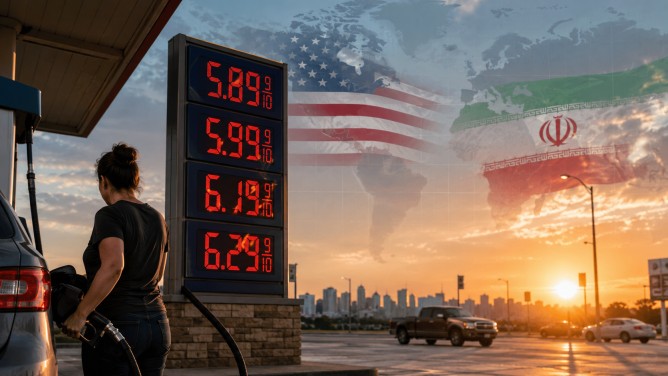
Gasoline prices in the United States have surged to a record high for August, influenced largely by stalled diplomatic talks between the U.S. and Iran and ongoing tensions near the Strait of Hormuz, a critical artery for global energy transportation. The national average for gasoline has climbed to $4.06 per gallon, marking an increase of about 5 cents over the past week and nearly $1 more than this time last year. States like California and Hawaii are experiencing even steeper prices, with averages reaching approximately $5.50 per gallon.
Oil markets have been under pressure since the onset of the US-Israel conflict with Iran, particularly due to disruptions in the Strait of Hormuz. This vital passageway is pivotal for the global oil supply chain. Earlier, Brent crude oil prices soared to $112 a barrel before easing slightly, yet they remain significantly higher than figures recorded a year ago.
Initially, gasoline prices saw a slight decline when temporary agreements seemed to ease tensions between the U.S. and Iran. However, as negotiations have hit an impasse and worries about an extended conflict grow, prices have begun to rise again. The recent uptick follows the inability of both nations to finalize an agreement on Iran’s nuclear agenda within a designated 60-day negotiation period. Exacerbating the regional tension, President Trump has made new threats against Oman, heightening fears of further conflict escalation.
The persistence of high fuel costs is straining American households, which are already grappling with increased living expenses. Over the last half-year, consumers in the U.S. have spent tens of billions more on gasoline compared to what they would have prior to the conflict. This continued escalation in fuel prices could potentially contribute to renewed inflationary pressures if the high energy costs persist over a longer duration.